



Are Lash Lifts Safe? Safety & Suitability
Are Lash Lifts Safe? Safety & Suitability
Are Lash Lifts Safe?
A lash lift is a safe, established treatment when it is carried out properly — by a trained technician, after a patch test, on a client it suits. It reshapes the natural lash rather than gluing anything onto it, and the products are made to professional cosmetic standards. As with any chemical treatment near the eye, the safety comes from the process around it: the consultation, the patch test, and the technician's judgement. This page sets out how a lash lift is safe, the safeguards involved and who should wait or avoid it. It is general information, not medical advice — a consultation with a qualified technician, and a GP where relevant, is always the right first step.
How a Lash Lift Is Safe
The treatment works by relaxing and reshaping the natural lash, not by attaching anything to it, so there is no added weight and nothing to fall into the eye. The bonding serum that holds the lashes to the shield is a clear, non-toxic, latex-free adhesive that does not damage or distort the lash. The chemistry is the same well-established perm-style process used on hair for decades, applied in small, controlled amounts at the base of the lash. For clients with sensitive eyes, a gentler, TGA-free cysteamine option lowers the risk further. What keeps all of this safe is that it is done by a trained technician working with the correct shield, timing and product, never rushed.
The Patch Test
The single most important safeguard is the patch test, and it is not optional. It is carried out 24 to 48 hours before the treatment, so there is time for any reaction to show. A positive result — irritation, swelling or inflammation — means the treatment should not go ahead. A negative result means it is safe to proceed.
A patch test is generally valid for up to six months, but it needs repeating sooner if anything medical changes in between — new medications, surgery, pregnancy or breastfeeding all call for a fresh test. Skipping the patch test removes the main safeguard the treatment relies on, which is covered in full in our lash lift patch test guide.
Product Safety
The products themselves are made to professional cosmetic standards. The full range is approved as cruelty-free under the Leaping Bunny programme and is never tested on animals, and the products are EU tested and regulated. They are vegan, paraben-free, and the bonding serums and adhesives are latex-free.
(Leaping Bunny)
Where a tint is added, a PPD-free option is available for clients prone to irritation, and the gentler cysteamine lifting cream gives a TGA-free route for the lift itself. The choice between the two lifting chemistries is covered in TGA vs cysteamine lifting cream.
Who a Lash Lift Suits — and Who Should Wait
Most people can have a lash lift, but a good technician will assess suitability at the consultation. Some conditions mean a lift should not go ahead; others simply mean checking first. These are discussed at the consultation rather than self-diagnosed.
When a Lift Should Not Go Ahead
- Active eczema or psoriasis around the eye
- Infectious conjunctivitis (bacterial or viral)
- A positive reaction to the patch test
- Broken or damaged skin — cuts, grazes or burns near the eye
When to Check First
- Pregnancy and breastfeeding — as a precaution, and because hormonal changes can alter the result
- Recent eye surgery, such as Lasik or blepharoplasty
- Very fine or weakened lashes, where over-processing is a risk
- An active cold sore near the eye
The fuller list, and the reasoning behind each, is set out in lash lift contraindications, with pregnancy covered separately in lash lifts and pregnancy.
Sensitive Eyes and Skin
Sensitive eyes are not necessarily a barrier to a lash lift — they usually just point to the gentler option. The cysteamine lifting cream is TGA-free and works more gently than a traditional formula, with a lower risk of over-processing, which makes it the route for sensitive clients who have patch-tested without a reaction. A PPD-free tint adds the same caution on the colour side. Sensitivity is always something to raise at the consultation, and is covered in lash lifts for sensitive eyes.
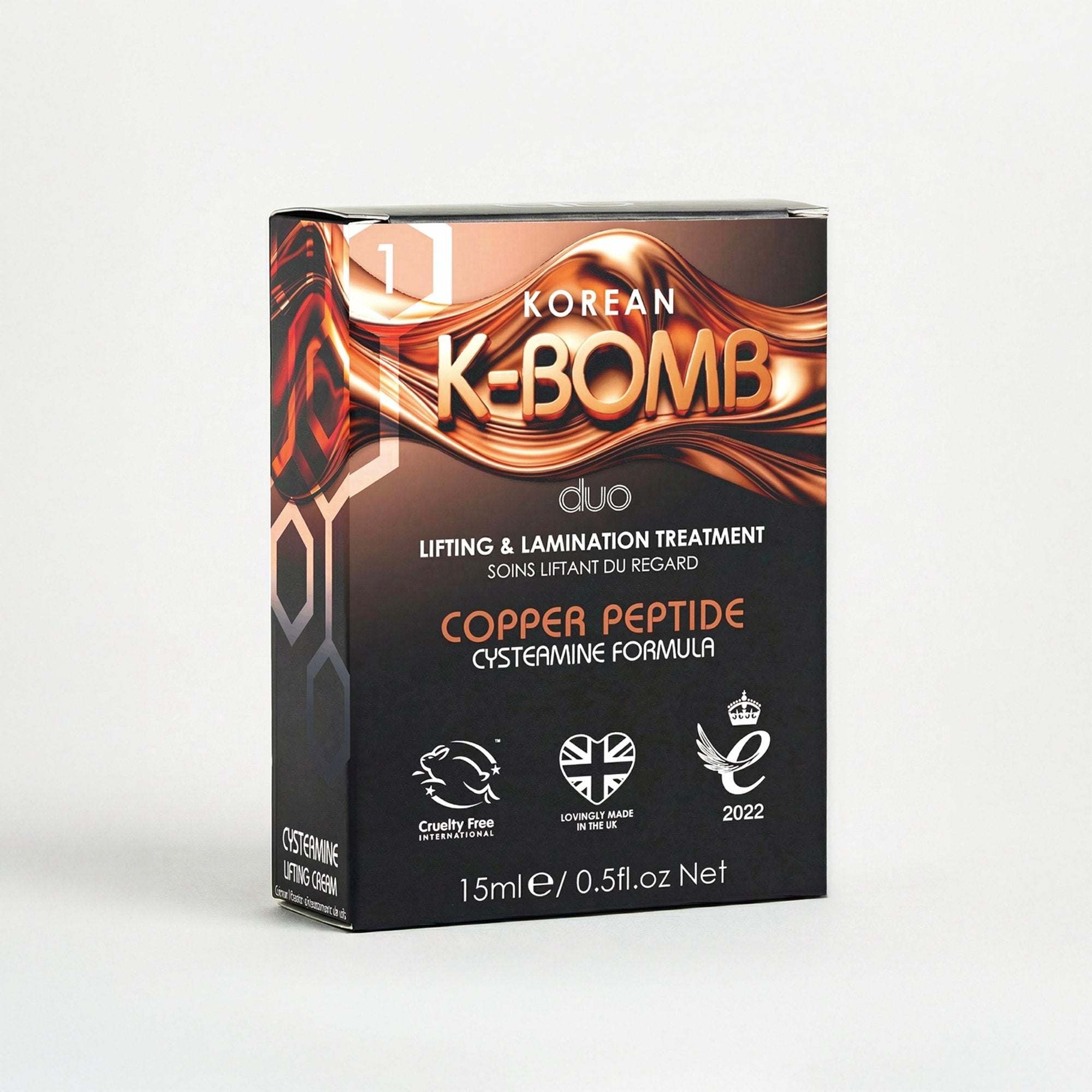
Cysteamine Lifting Cream
A TGA-free first step that works gently on the lash and skin, with a lower over-processing risk — the option for sensitive clients.
Shop Cysteamine CreamThe Safety Essentials
A lash lift is safe when it is done by a trained technician, after a patch test 24 to 48 hours beforehand, on a client it suits. Raise any medical conditions, medications, pregnancy or eye surgery at the consultation, and seek a GP's advice where relevant. This page is general information and does not replace professional or medical advice.
Frequently Asked Questions
Are lash lifts safe?
Why is a patch test needed before a lash lift?
Can I have a lash lift while pregnant?
Are lash lift products tested on animals?
Can I have a lash lift with sensitive eyes?
When should a lash lift not be done?